During this time of year, many families are busy with holiday traditions, including things like gatherings with families and friends, decorating their homes, and even shopping for gifts. However, this year is going to look different for most of us. 2020 has made me (and I’m guessing many others) reflect on the things that are really important and share those priceless values with my own children.
For the holidays this year, we may not be able to gather as an extended family or with our friends the way we normally do. So, instead of focusing on what we can’t do, I am springing into action on the things we can do. 2020 is the year to get creative!
As a home visitor, you may have already started having these conversations with families. You can support families with celebrating the holidays a little differently this year. The experts tell us that children feel loved the most when they’re interacting with people that care for them. And as an adult, I feel this way too.
Instead of sending our traditional holiday cards, I’m encouraging my children to draw pictures and write letters to our family and friends. This way we can slow down and make deeper connections with the important people in our lives. How might you support parents to think about building stronger relationships with the ones they love even if they can’t visit with them this holiday season?
One way we’ve “gathered” together this year is through our computer, tablets, and phones. We celebrated birthdays and other important events through video chats, and this year, we’re also celebrating the holidays this way. This gives our children time to see our extended family/friends and share how they’ve grown as well as their accomplishments. It also helps to establish those deeper relationships by connecting in smaller groups rather than one large gathering. What are some ways you might encourage families to help their children feel connected to the important people in their lives? If they have access to the internet, maybe they can schedule a video holiday party, do a video chat, or talk on the phone.2
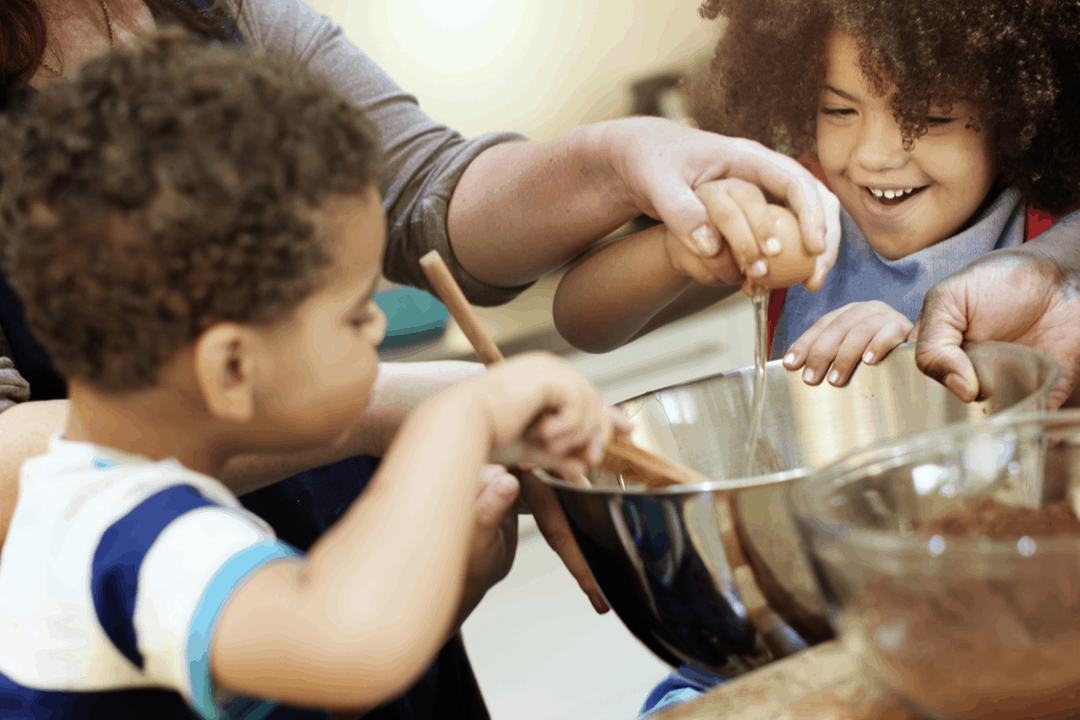
As you help families think about what to do with their little ones this holiday season, I encourage you to think about presence (rather than presents). What are some ways parents can show their love for their children this holiday season? Maybe it’s doing an art project together, baking a favorite holiday recipe as a family, or singing songs that remind them of the holidays.1,2
You can even use the module Family Traditions and Cultural Practices in the Growing Great Families® manual to help parents think of innovative ways to continue their traditions but in a safe way for their family. The experts tell us that when parents spend quality time interacting with their kids, their children will feel loved, valued, safe, secure, curious, and capable. This kind of presence is the best present that a parent can give their child.1
And if 2020 has taught me anything, I’ve learned that it’s the things money can’t buy that are the most precious gifts to give and to receive. I encourage us all to give our presence to the loved ones in our lives this holiday season. May your holidays be filled with wonderful memories, much love, and lots of (physically distanced) presence with the ones you love!
Your friends at Great Kids
Gehl, M. (2019, December 9). Your presence is the present. Zero To Three. https://www.zerotothree.org/resources/3080-your-presence-is-the-present
Parlakian, R. (2020, November 18). 10 ways to share (virtual) traditions with babies and toddlers. Zero To Three. https://www.zerotothree.org/resources/3752-10-ways-to-share-virtual-traditions-with-babies-and-toddlers
About the Author
Jennifer Hayes is the Professional Development Content Manager at Great Kids®. She worked as a Healthy Families Program Manager before joining Great Kids® in 2017. She lives in Midland, Georgia with her husband and has three children.